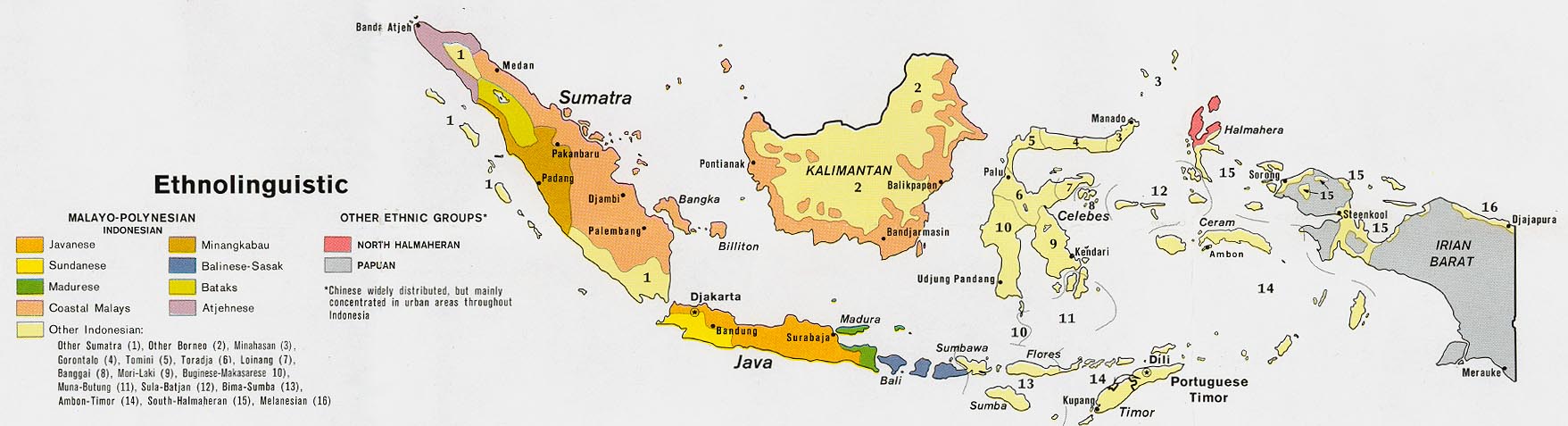
The Tanglapui people are an indigenous ethnic group located on Alor Island in the Nusa Tenggara Timur Province of Indonesia. They are part of the New Guinea people cluster within the Pacific Islanders affinity bloc. Their primary language is Kula, and they are found in the central eastern mountains of Alor, as well as in several coastal villages including Maukuru, Takala, Koilela, Peisaka, and Kiralela.
Historically, the Tanglapui have lived in relative isolation due to the island's rugged terrain, which has helped preserve their unique linguistic and cultural identity. Their communities are situated between other language groups, such as Kamang and Sawila, contributing to a rich tapestry of interethnic interaction and cultural exchange.
The rhythms of subsistence agriculture and fishing shape life among the Tanglapui. Families cultivate crops such as maize, cassava, and bananas, and may raise small livestock. Coastal communities rely heavily on fishing, while inland villages engage in farming and forest gathering.
Family structures are typically patriarchal, with the eldest male serving as the head of the household. Women manage domestic duties and contribute to agricultural work. Children are expected to respect and obey their elders, and extended families often live in close proximity, fostering strong communal ties.
Celebrations are influenced by Christian traditions, particularly Protestantism, which is the dominant religion. Events such as Christmas and Easter are observed with church services, communal meals, and music. Traditional dances and storytelling may also be part of local festivities.
Food is simple and locally sourced. Meals often include root vegetables, fish, and tropical fruits. Sago and rice may be staples, depending on the village's location and access to resources.
The Tanglapui people primarily practice Protestant Christianity, a faith tradition that emphasizes the authority of Scripture, justification by faith, and salvation through Christ alone. This belief system emerged from the Protestant Reformation and has shaped the spiritual landscape of the Tanglapui community.
While Christianity is the dominant religion, the depth of spiritual engagement varies. Some communities may have a nominal Christian identity, with limited access to discipleship or biblical teaching. There are no known translations of the Bible in the Kula language, and ministry resources such as the JESUS Film or audio recordings are not currently available in their Kula language.
In rural areas, traditional beliefs and practices still influence daily life. Spiritual healers, known as dukun, may be consulted for health and personal matters, blending indigenous spirituality with Christian elements.
Many Tanglapui communities face challenges related to infrastructure and access to basic services. Roads, healthcare facilities, and schools are often limited, especially in mountainous regions. Economic opportunities are scarce, and families rely heavily on subsistence living.
Spiritually, the Tanglapui people would benefit from deeper engagement with the gospel. The lack of translated Scripture and Christian media in their native language hinders spiritual growth and discipleship. There is a need for holistic ministry that integrates physical development with spiritual renewal.
Pray for the translation of the Bible into the Kula language and for the development of culturally relevant discipleship materials. Ask for spiritual revival among nominal believers and for the raising up of local leaders who can shepherd their communities in faith.
Intercede for improved access to healthcare, education, and clean water. Pray for sustainable development initiatives that empower families economically and preserve the environment.
Lift up families and leaders in prayer, asking for wisdom, unity, and resilience in the face of social and economic challenges.
Scripture Prayers for the Tanglapui in Indonesia.
PeopleGroups.org: Tanglapui Overview
Cultural Atlas: Indonesian Family Culture
Hektoen International: Spirituality and Traditional Medicine in Indonesia
| Profile Source: Joshua Project |